SUSTAINABILITY
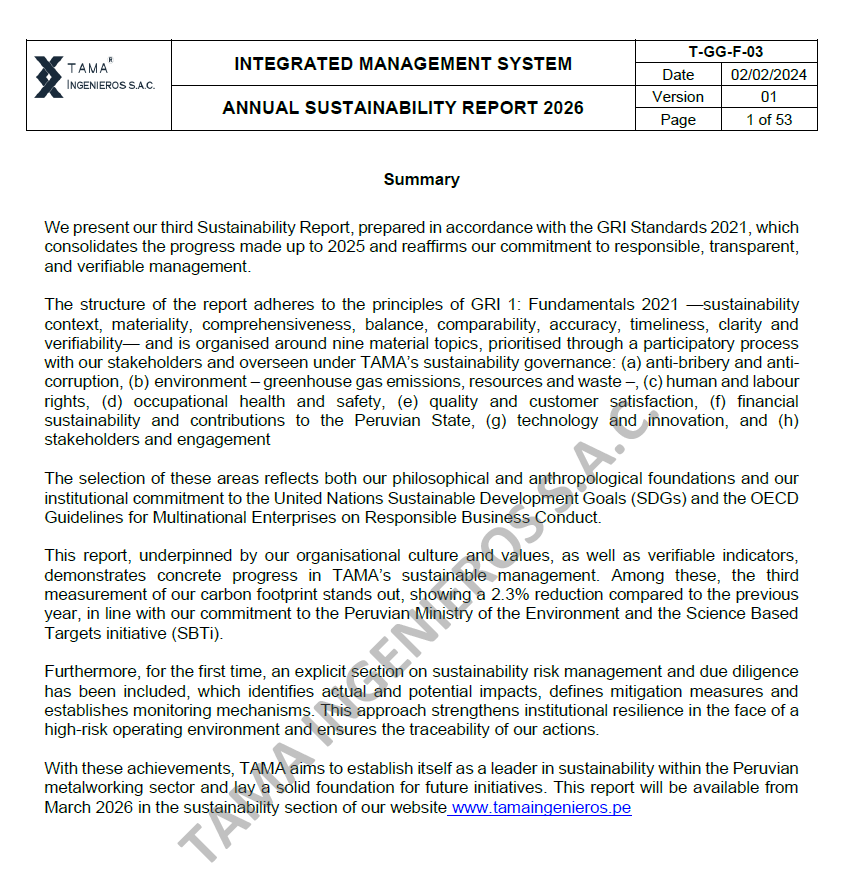
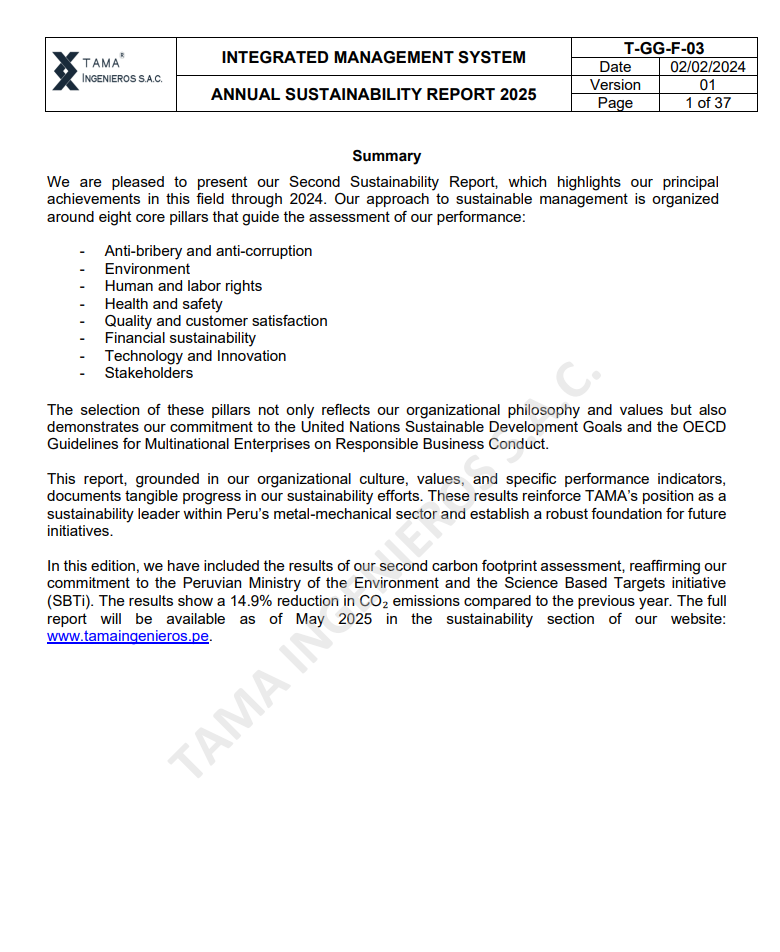
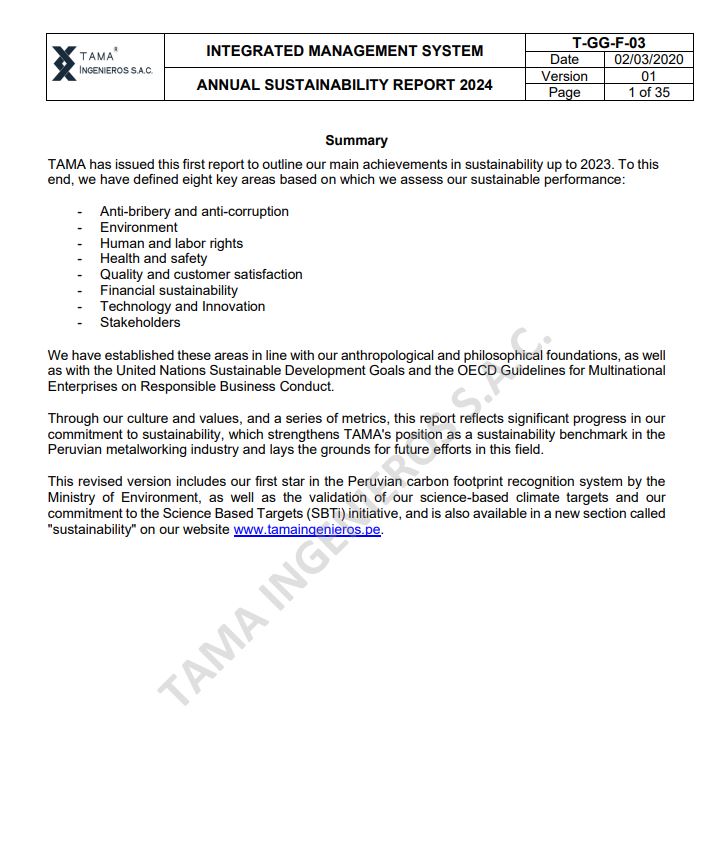
Through our “Annual Sustainability Report T-GG-F-03”, we demonstrate our alignment with the UN Sustainable Development Goals (SDGs) and the OECD Guidelines for Multinational Enterprises on Responsible Business Conduct.
Annual Sustainability Report T-GG-F-03 - 2025
Annual Sustainability Report T-GG-F-03 - 2024
Annual Sustainability Report T-GG-F-03 - 2023
FUNDAMENTALS
Our Social Pillars
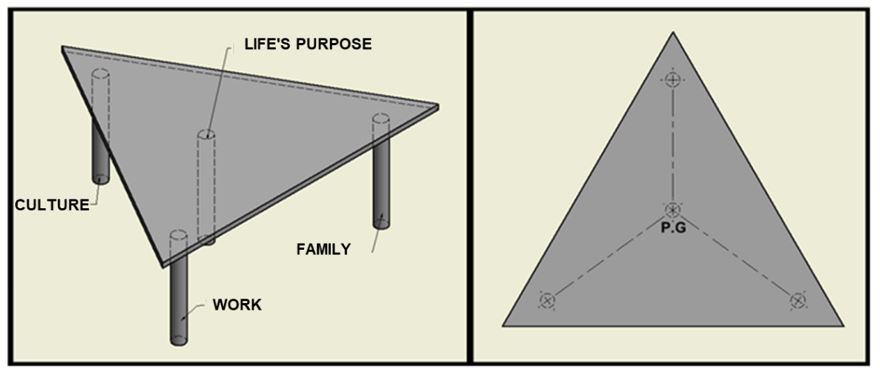
From our perspective, our society is built on four pillars that shape the character and personality of human beings: family, work and culture. Our life’s purpose helps keep us in balance against adversities in some of the other three pillars. Nowadays there is a high risk of being influenced by the media.
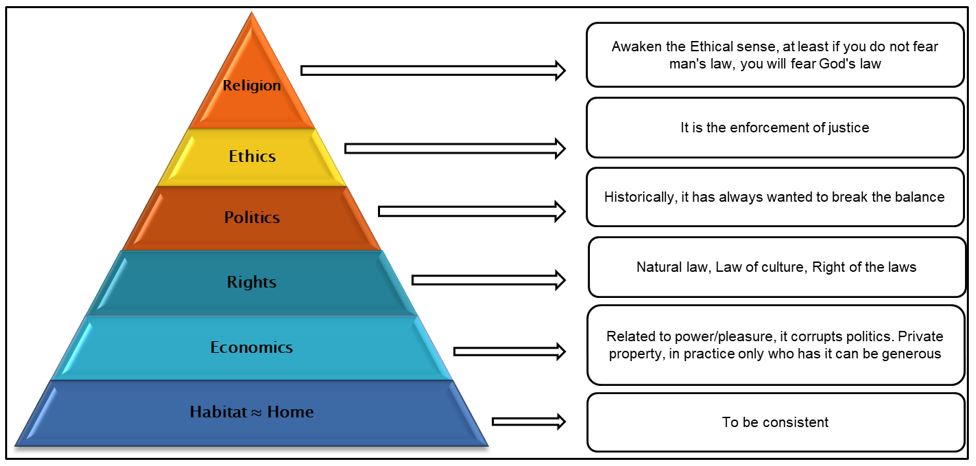
Hierarchies for a healthy and fair society
As envisioned by TAMA, the hierarchies for a healthy and fair society start with religion, then ethics, followed by politics, law, economics, and home. In a society that is neither healthy nor fair, this order of hierarchies may be broken in time of crisis or economic wealth.
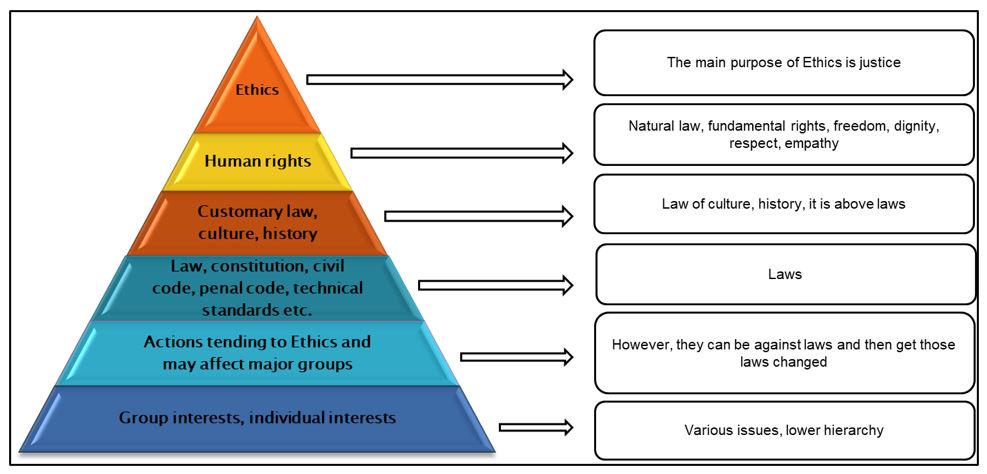
How we prioritize our rights
At TAMA we make our fundamental decisions considering ethics and human rights before personal or group interests.
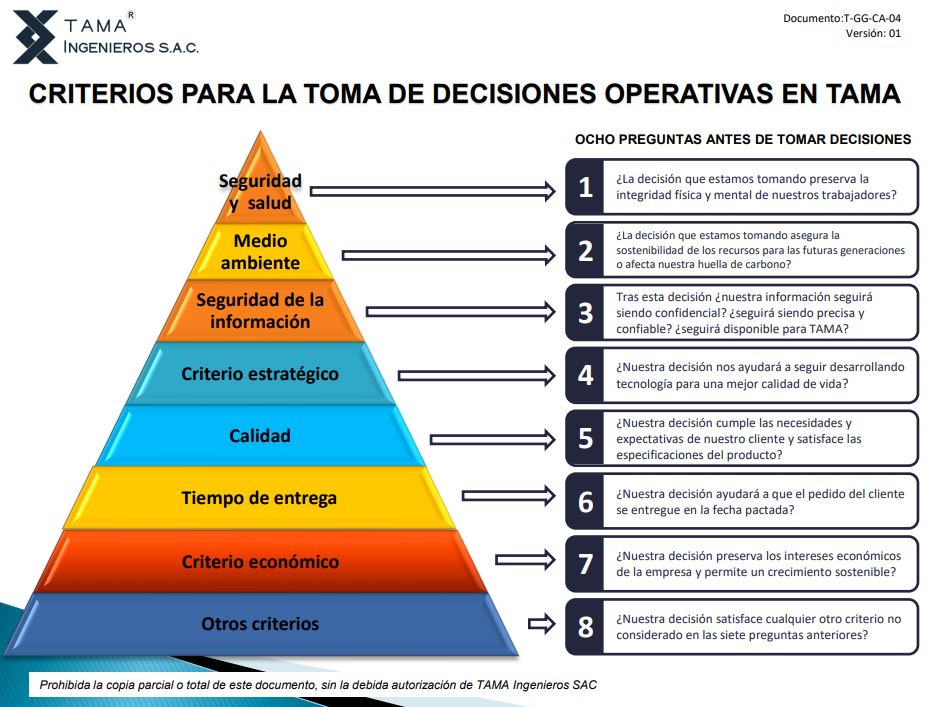
Criteria for operational decisions
Eight criteria are taken into account in our operational decision making, considering, foremost, the value we give to our employees since we are engaged in a very high-risk economic activity: safety and the environment first and foremost.
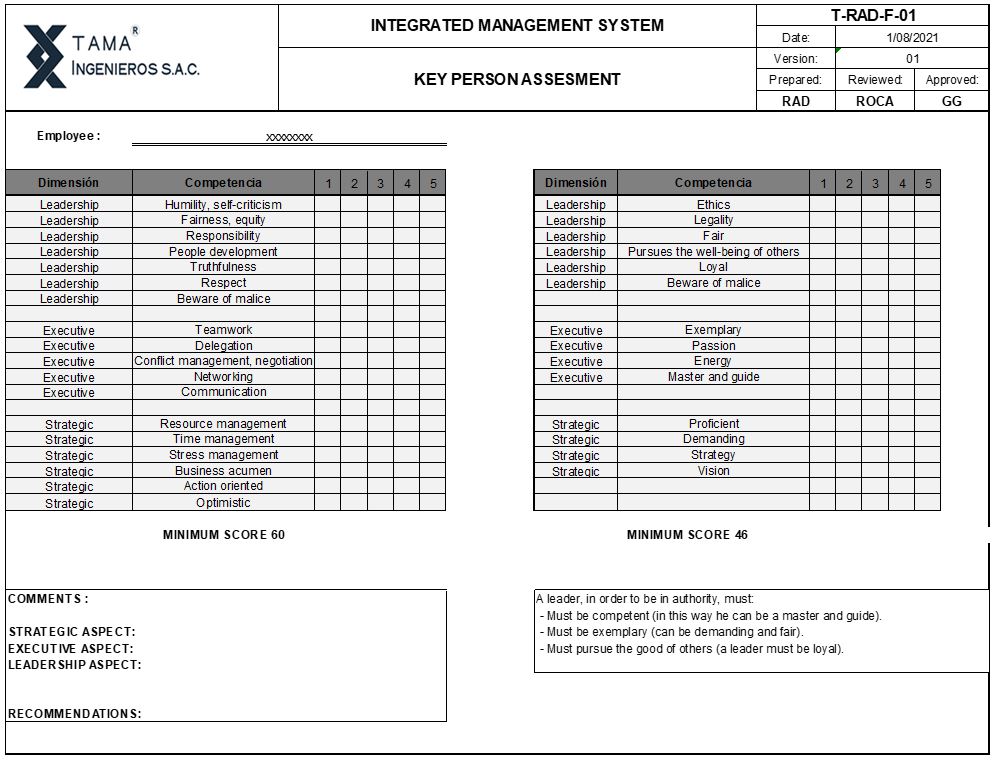
The Leader at TAMA
At TAMA, we evaluate our employees from three perspectives: the strategic dimension, related to the ability to increase the economic value we generate; the executive dimension, related to the ability to adapt our operations to their talent; and the leadership dimension, or the ability to drive people to act for transcendent motivations. If you are interested in joining our team, see below the TAMA leader skills:
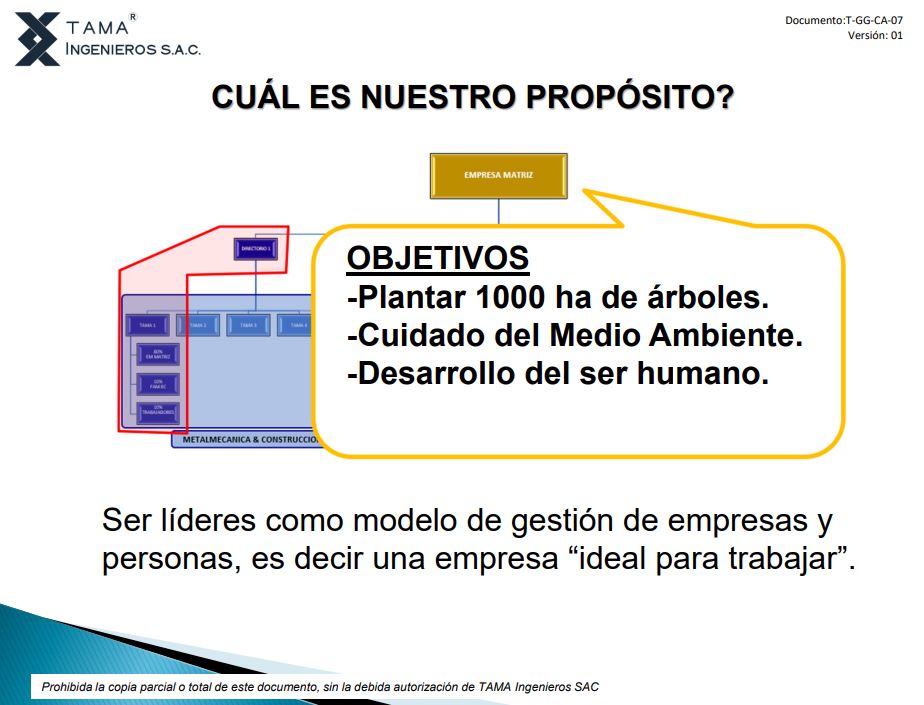
Our purpose
Our purpose is to plant 1,000 hectares of trees, care for the environment, and develop human beings. We pursue to be a model of business and people management, and to become an ideal place to work.
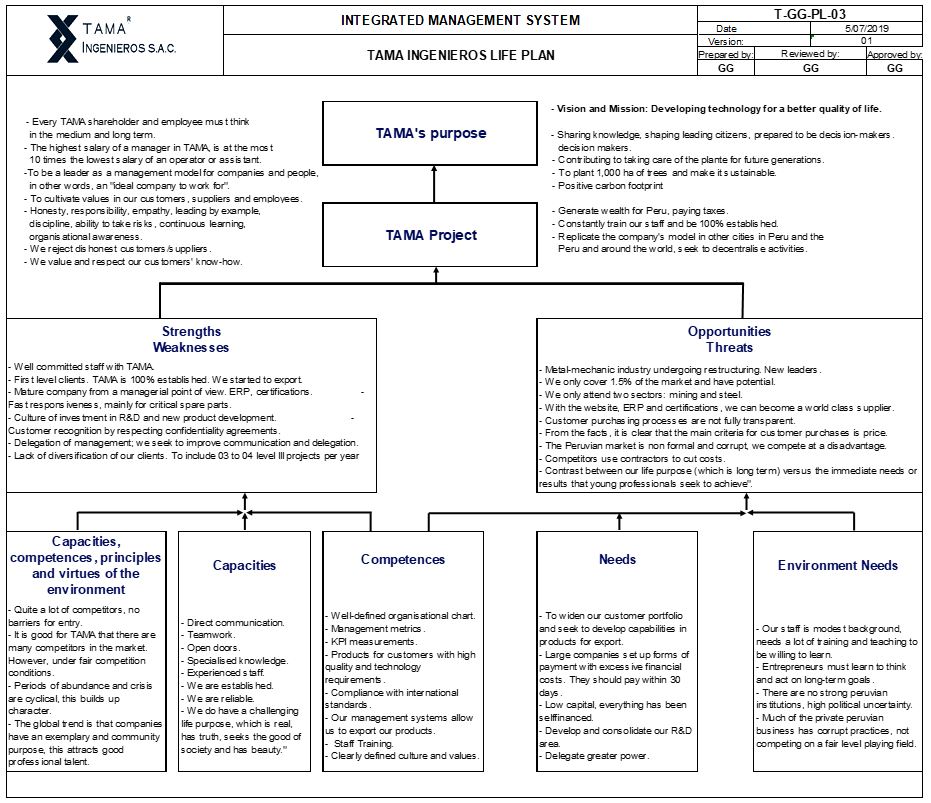
Our Life Plan
We have turned our purpose into a Life Plan as shared below:
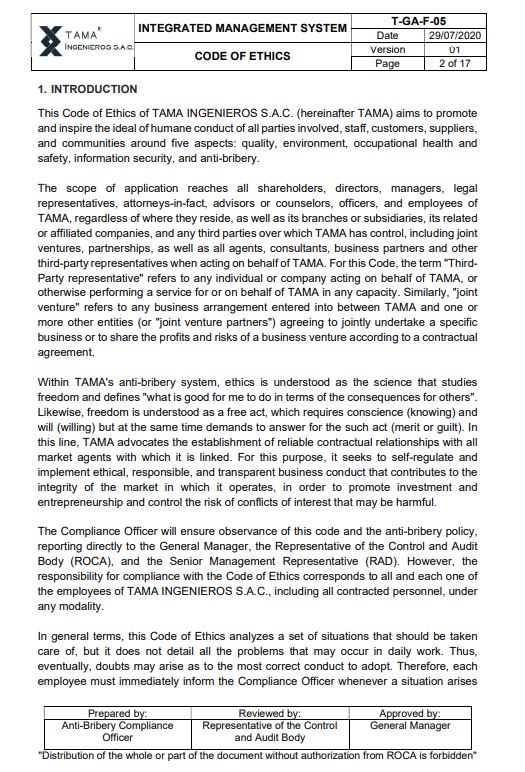
Our Code of Ethics
We promote and inspire the ideal of humane conduct among all stakeholders: employees, customers, suppliers and communities in five areas: anti-bribery, health and safety, environment, information security and quality. Check here our Code of Ethics.
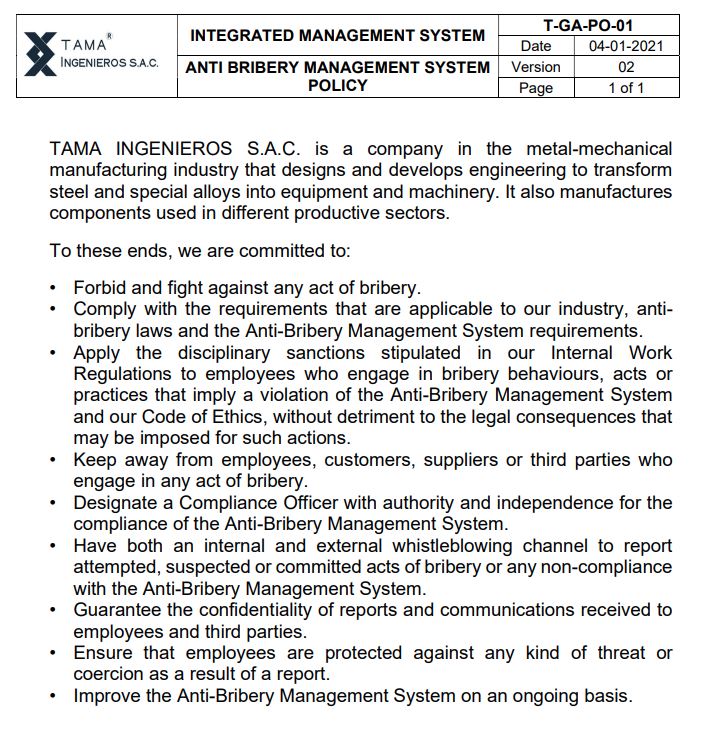
Anti-bribery Management System Policy T-GA-PO-01
TAMA INGENIEROS S.A.C. is a company in the metalworking industry that designs and develops engineering to transform steel and special alloys into equipment and machinery. It also manufactures components used in different productive sectors. To these ends, we are committed to:
INDICATORS
This is TAMA
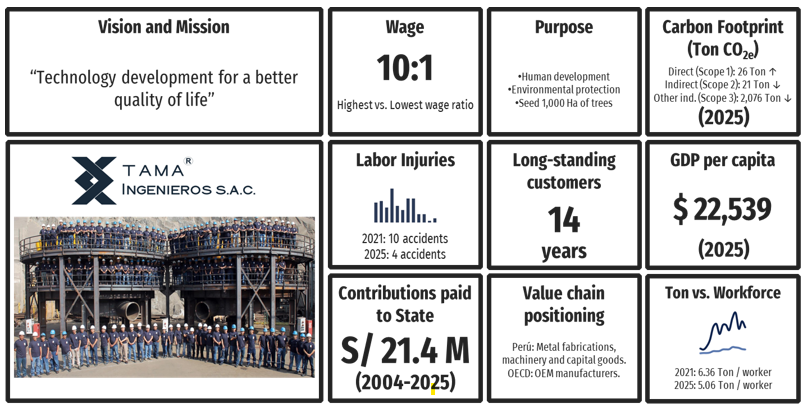
In this section we summarize the main indicators and guidelines that reflect TAMA’s culture and values and sustainability criteria.
Environment
In this section we share our progress in measuring our carbon footprint, an important milestone in our commitment to sustainability. In addition, we report key indicators demonstrating the reduction in our consumption of electricity, water, paper and wood, as well as the generation of solid waste, contributing to the preservation of natural resources and the mitigation of climate change.
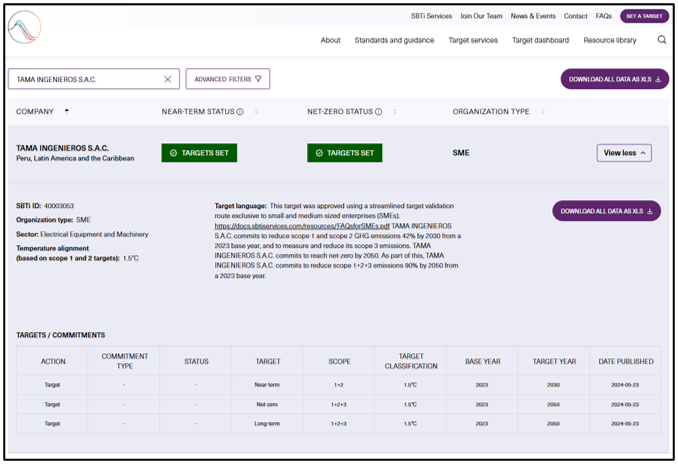
Our science-based targets
As part of our adherence to the SBTi, we have committed to reduce scope 1 and scope 2 GHG emissions 42%, to measure and reduce our scope 3 emissions, commits to reach net-zero by 2050. and to reduce scope 1+2+3 emissions 90% by 2050.
CO2 Emissions
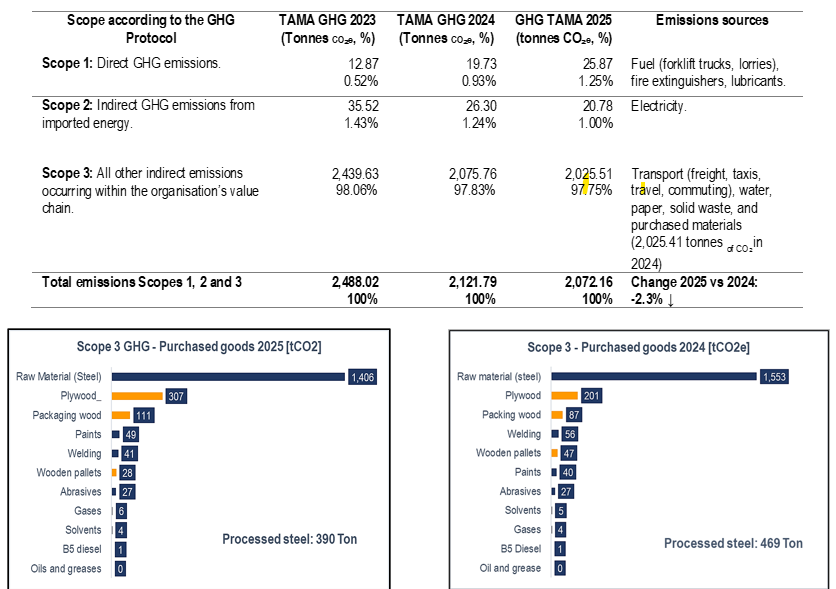
Total greenhouse gas (GHG) emissions generated by TAMA in 2025 amounted to 2,072.16 metric tons of CO₂e, of which 1.25% were direct emissions (Scope 1), 1.00% were indirect emissions from imported energy (Scope 2), and 97.75% to indirect emissions from the value chain (Scope 3). Compared to 2024, Scope 1 emissions increased by 31%, Scope 2 emissions decreased by 21%, and Scope 3 emissions decreased by 2.4%.
Intensity of CO2 emissions
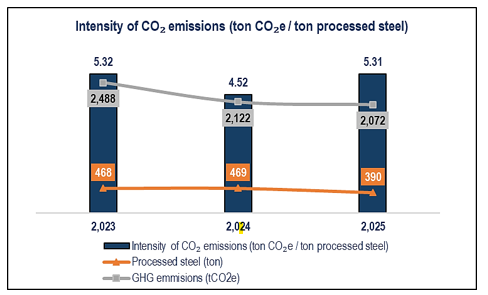
In 2025, TAMA recorded a CO₂ emissions intensity of 5.31 tonnes per tonne of processed steel, a 17.7% increase compared to 2024. This rise was mainly due to the temporary return to wooden pallets and packaging after the first batch of metal pallets was exhausted. Metal pallets had proven to be a superior environmental solution, but their higher unit cost and limited customer acceptance hindered continued production. The reliance on wood packaging directly impacted emissions intensity. Despite this challenge, TAMA remains committed to exploring sustainable packaging alternatives and promoting lower‑impact solutions with clients.
Electricity use
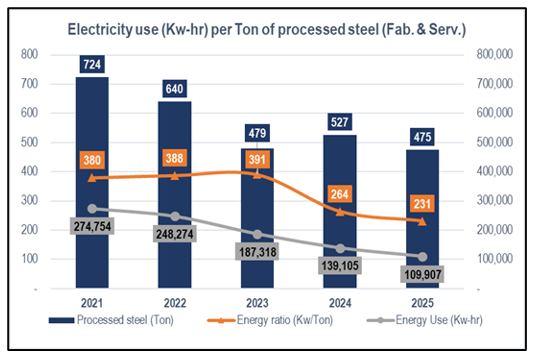
In 2025, TAMA reduced electricity intensity by 12.5%, from 264 kWh to 231 kWh per tonne of processed steel. This improvement reflects efficiency gains in production processes and a positive trend sustained since 2023. It demonstrates our contribution to UN SDG 7 by promoting reliable and sustainable energy use.
Water use
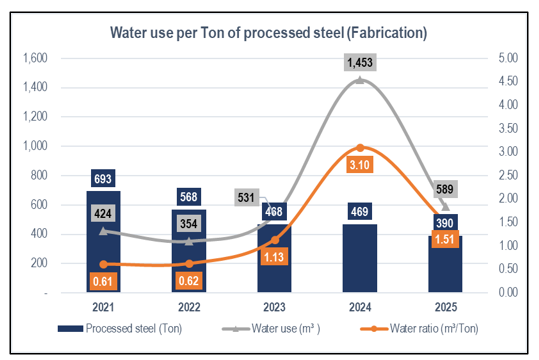
In 2025, TAMA reduced water intensity by 51.3%, from 3.10 to 1.51 m³ per tonne of processed steel, lowering total consumption to 589 m³. This improvement followed corrective measures against unauthorized public network use that had distorted previous results. The progress reflects our commitment to SDG 6 and to maintaining efficient, equitable water management.
Paper use
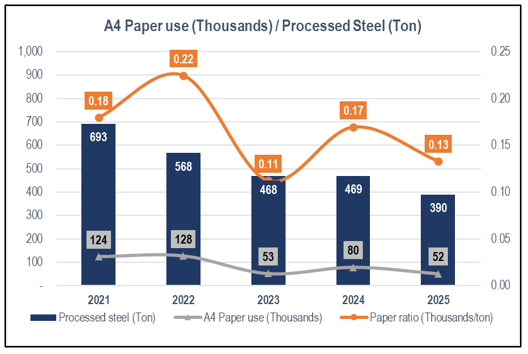
In 2025, TAMA reduced paper intensity by 23.5%, reaching 0.13 thousands of A4 paper per tonne of processed steel. This achievement reflects the success of our document digitization and adoption of electronic formats. It reinforces our commitment to SDG 15 by protecting forests and supporting sustainable land management.
Wood for packaging
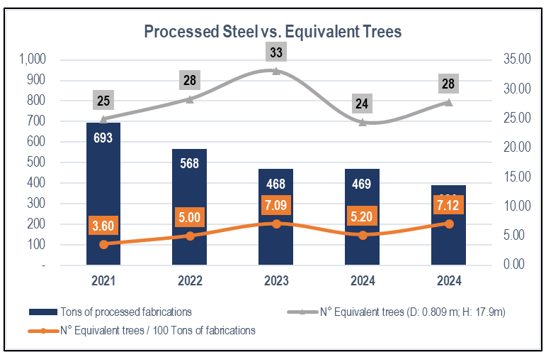
Timber is consumed mainly as boards, pallets, and treated wood for export. Using Pinus radiata as reference, only 24.16% of each logged tree is usable for packaging. In 2024, total timber use was 34.13 m³, equivalent to 23.6 trees, or 5.2 trees per 100 tonnes of processed steel. In 2025, consumption rose to 40.14 m³, equivalent to 28 trees, a 17.6% increase, with intensity reaching 7.2 trees per 100 tonnes of steel. This rise reflects the partial return to wooden pallets and strips, as some customers preferred lower‑cost traditional solutions over steel alternatives. While steel pallets proved more sustainable, their higher unit cost limited adoption. The results highlight both the environmental impact of packaging choices and the need to continue promoting sustainable alternatives. TAMA remains committed to balancing environmental criteria with market expectations and advancing responsible packaging practices.
Solid waste
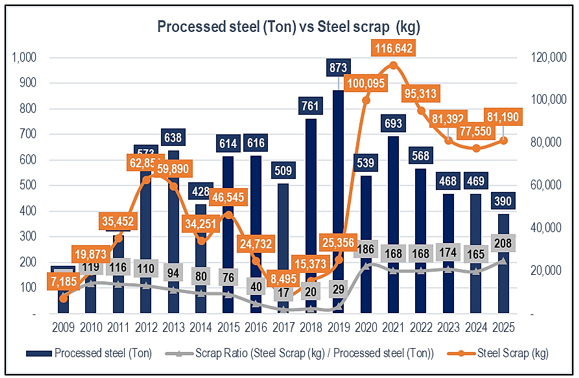
In 2025, TAMA generated 208 kg of steel waste per tonne processed, totaling 81,190 kg, compared to 165 kg in 2024. This increase was mainly due to reduced reuse of surplus metal for pallet production and the partial return to wood packaging. Despite this challenge, we continue to strengthen waste monitoring and management as part of our sustainability strategy.
Human and labor rights
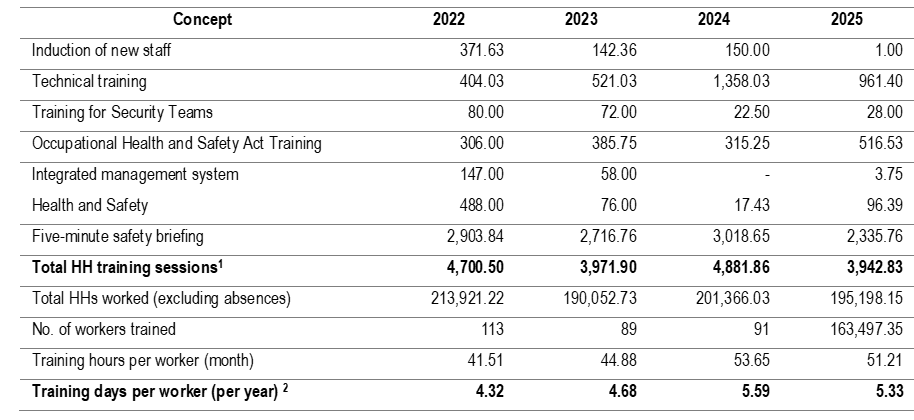
In 2025, TAMA reinforced its commitment to training and skills development, averaging 5.33 training days per employee. Daily five‑minute safety briefings remained our most widespread practice, totaling 2,336 man‑hours and strengthening the safety culture. Additional initiatives included 961 man‑hours of technical training and 516 man‑hours in Occupational Health and Safety programs. These efforts consolidate a culture of continuous learning and preparedness, aligned with SDGs 8 and 10. Education remains central to promoting equity, inclusion, and sustainable growth within our workforce.
Health and safety
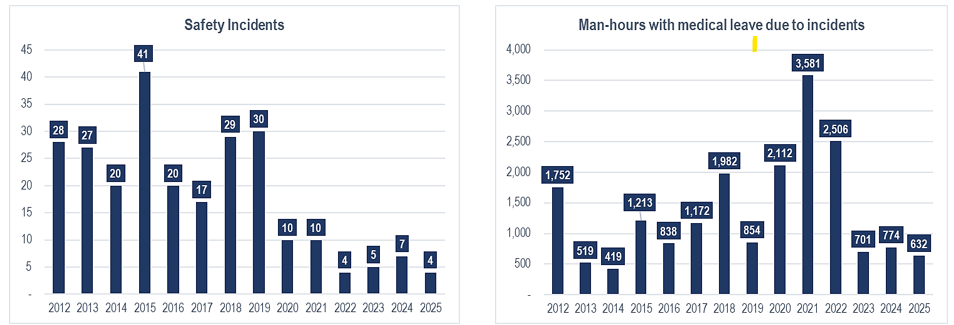
At TAMA we have been managing our safety indicators since 2012 and, as a result of the safety training carried out, in the last five years we have significantly improved the frequency and severity rates of incidents.
- Injuries, severity, and frequency
In 2025, TAMA consolidated its culture of prevention through mandatory induction, safety talks, and technical training. The number of incidents fell to just 4 cases, matching the lowest levels in over a decade. Man‑hours lost due to incidents dropped to 632, the best result in 10 years and an 82% reduction compared to the 2021 peak. Daily five‑minute safety briefings proved highly effective, reinforcing awareness and reducing severity of accidents. Most incidents historically affected operational staff, but in 2025 reductions were observed across welders and skilled workers. Eye splinter and lower back pain cases virtually disappeared, showing the impact of targeted training.
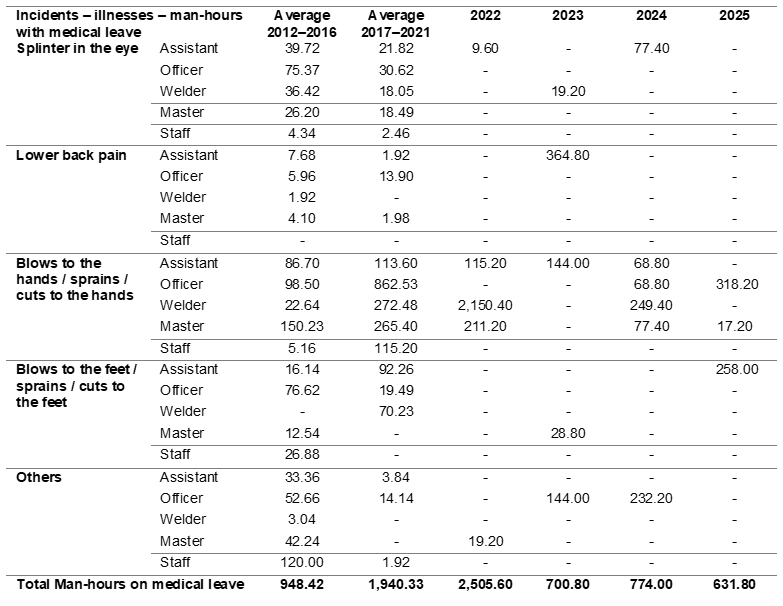
Incidents – illnesses – man – hours with medical leave- by categories of workers
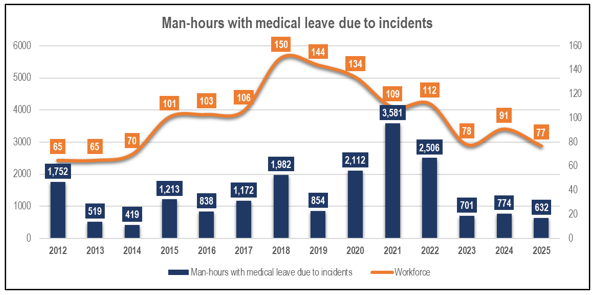
Man hours not worked due to medical leave
Quality and customer satisfaction
Long-standing customer relationships
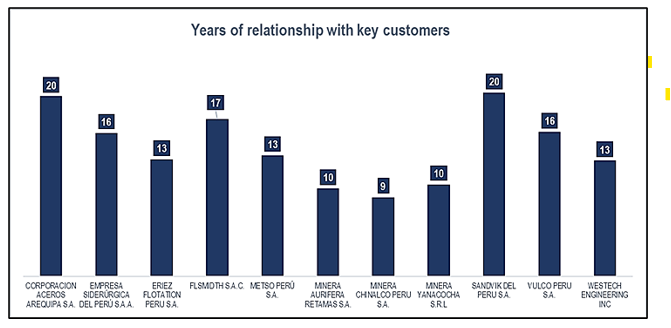
TAMA maintains an average of 14 years in business relationships with its key customers, with some partnerships exceeding 20 years. This longevity reflects not only the technical quality of our products but also the trust built through transparent project management. It is a strong indicator of stability and reliability in the metalworking sector.
Management and manufacturing capabilities
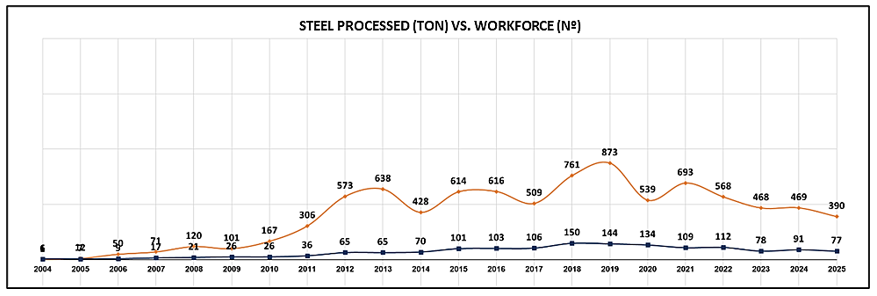
- At TAMA, we classify our product types to define realistic plant capacities and maintain efficiency. Since 2024, we have sustained a maximum staff‑to‑operator ratio of 1 to 1.3, ensuring balanced management and production. In 2025, this structure enabled us to process 390 tonnes of steel with 77 staff members, 38 of whom were employees. This combination of management discipline and manufacturing capacity demonstrates our ability to deliver consistent, high‑quality results.
Financial sustainability
At TAMA, financial sustainability is measured through GDP per capita, reflecting our contribution to SDGs 1, 8 and 9. In 2025, our Gross Value Added per capita reached US$22,539, 2.4 times Peru’s GDP per capita of US$9,264, confirming our high relative productivity. Between 2004 and 2025, we contributed S/21.4 million to the Peruvian State in taxes, social security, and employee benefits, fully complying with OECD Guidelines on responsible business conduct. Contributions to ESSALUD correlate directly with our workforce, demonstrating that all employees are formally declared with statutory benefits. This transparency ensures workers’ rights to fair pensions and protection in cases of retirement, disability, or death. Together, these results highlight TAMA’s commitment to economic growth, equity, and responsible financial management in the metalworking sector.
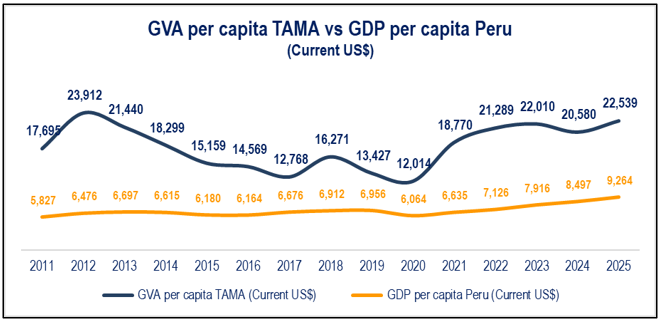
GVA per capita TAMA vs GDP per capita Peru (Current US$)
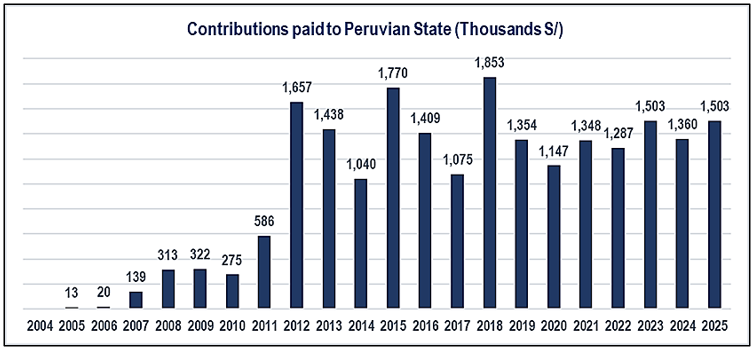
Contributions paid to Peruvian State 2004-2024
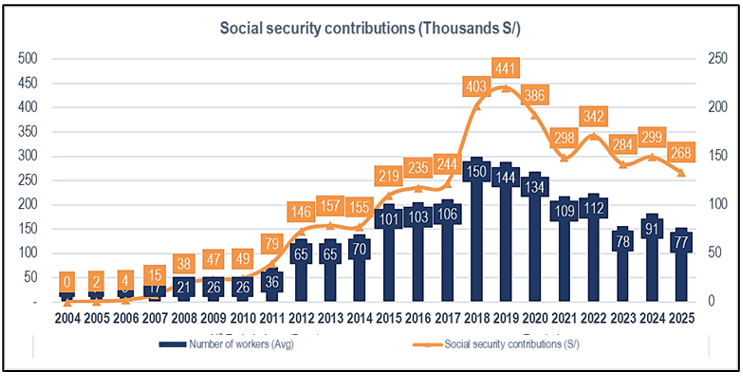
Social security contributions
Technology and Innovation
In this section, we provide information on confidentiality and advances in technology and innovation.
Confidentiality agreements
TAMA aligns itself with Chapter IX of the OECD Guidelines on Science, Technology and Innovation which states that companies must comply with applicable national laws and requirements, including privacy and data protection requirements and export control regulations, and that digital security is a shared responsibility across all stakeholders, including businesses, customers, and governments
Research & Development
Visit our R&D section to see our projects in technology, innovation and development..
Stakeholders
Exports
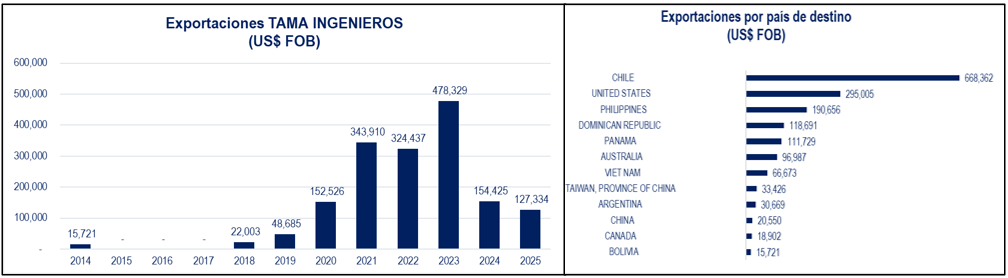
Aligned with UN SDG 17, TAMA continues to position Peruvian metalworking products in global markets. Since 2018, we have maintained exports, with Chile and the United States as our main destinations. Exports peaked in 2023 at US$478,329 FOB, before moderating in 2024 and 2025. This activity reflects both opportunities and challenges in sustaining growth. Our export record demonstrates TAMA’s commitment to expanding global reach and contributing to SDG 17.11 by increasing exports from developing countries.
Calle 03 Mza. A Lote. 6B, Urbanización Barbadillo, Ate, 150103- Lima – Perú.

Calle 3, Mz.B, Lt.1, Urbanización Barbadillo, Ate, 150103, Lima, Perú
2023 | TAMA INGENIEROS S.A.C. ® | www.tamaingenieros.pe